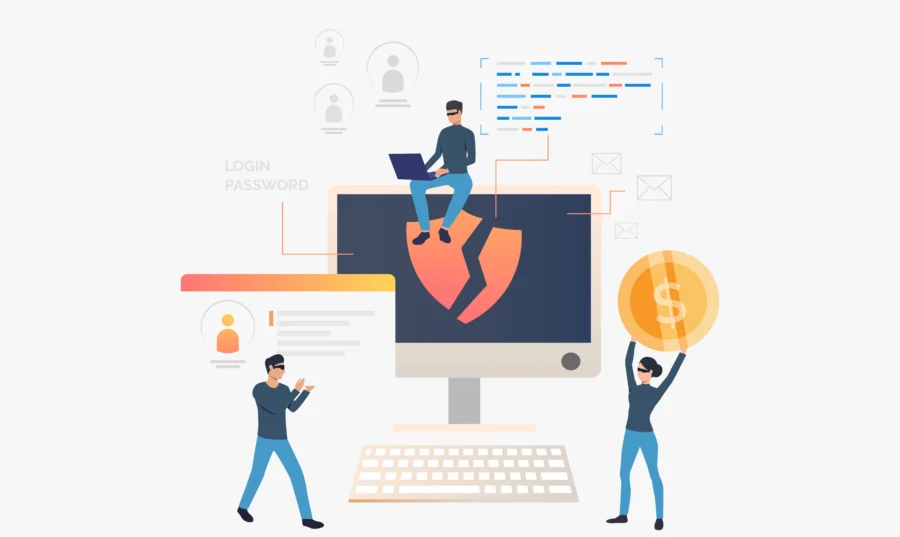




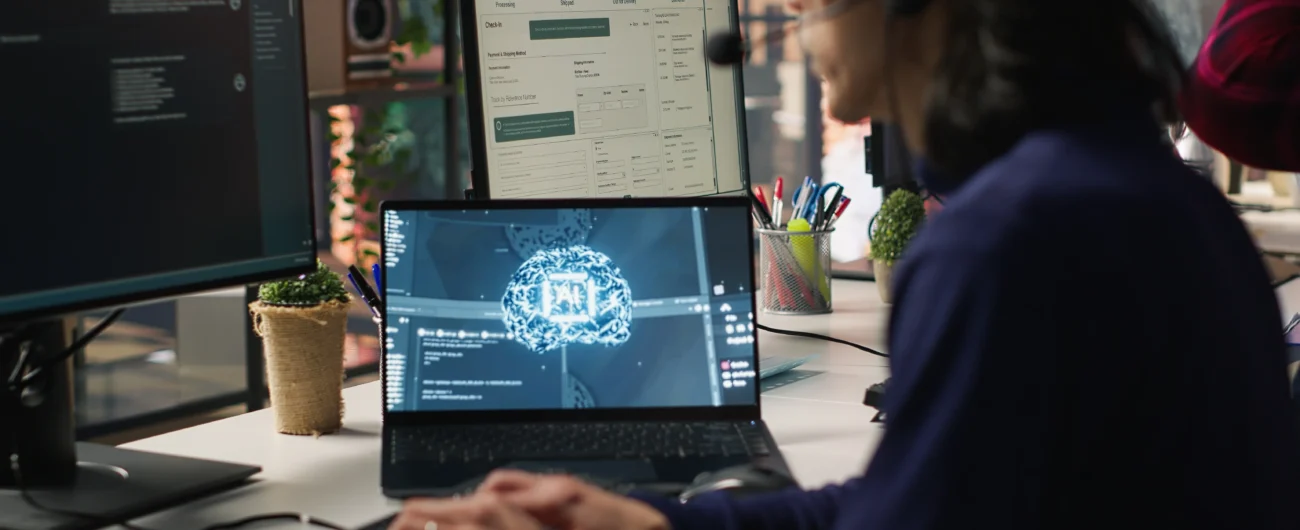
Artificial intelligence is changing the way businesses approach cybersecurity. As organisations become increasingly dependent on cloud platforms, connected devices, digital payments and remote working, the volume and complexity of cyber threats have grown significantly. Traditional security systems often rely on predefined rules and known threat signatures, whereas AI can analyse large volumes of information, identify unusual behaviour and support faster responses to emerging threats.
One of the most important applications of AI in cybersecurity is threat detection. AI systems can continuously examine network traffic, login patterns, system activity and user behaviour to identify anomalies. For example, if an employee’s account suddenly attempts to access sensitive information from an unfamiliar location or device, an AI-powered security system can flag the activity for investigation. This can help businesses identify potentially compromised accounts before significant damage occurs.
AI is also increasingly being used for phishing and email protection. Instead of simply looking for known malicious links or suspicious keywords, AI can assess the context of an email, sender behaviour, language patterns and associated links. This allows security systems to detect sophisticated phishing attempts that may appear legitimate to employees.
Another significant use case is malware detection. Cybercriminals constantly modify malicious software to evade conventional antivirus solutions. AI can analyse the behaviour of files and applications rather than relying entirely on previously identified malware signatures. Suspicious behaviour can therefore be detected even when the specific malware variant has not been encountered before.
AI can also strengthen identity and access management. By learning normal authentication patterns, AI can identify unusual login behaviour, repeated failed attempts or suspicious privilege escalation. This becomes particularly valuable for organisations operating hybrid workplaces where employees, contractors and partners may access business systems from different locations.
Incident response is another area where AI can make a considerable difference. Security teams can be overwhelmed by thousands of alerts generated by different systems. AI can help prioritise alerts, correlate information from multiple sources and identify potentially serious incidents. Human cybersecurity professionals can then concentrate on investigating and responding to the threats that matter most.
However, AI is not a replacement for cybersecurity professionals. Attackers are also using artificial intelligence to automate attacks, generate convincing phishing content and discover vulnerabilities. Businesses therefore need a balanced approach combining technology, skilled professionals, security policies and employee awareness.
For organisations looking for the best cybersecurity service provider in Singapore, VouchSolutions represents the kind of technology-focused approach businesses increasingly require. The real value of AI in cybersecurity lies not simply in automation, but in using intelligent analysis to help organisations detect threats earlier, respond faster and build stronger security practices.